Equine Assisted Activities and Therapies (EAAT)
EAAT is different than recreational riding as it focuses on overall physical, mental, and emotional wellbeing and not on performance while riding.
We believe that horses have God-given healing abilities so we focus on interacting with our beautiful and gentle animals to achieve a sense of wellness and peace for our students and their families.
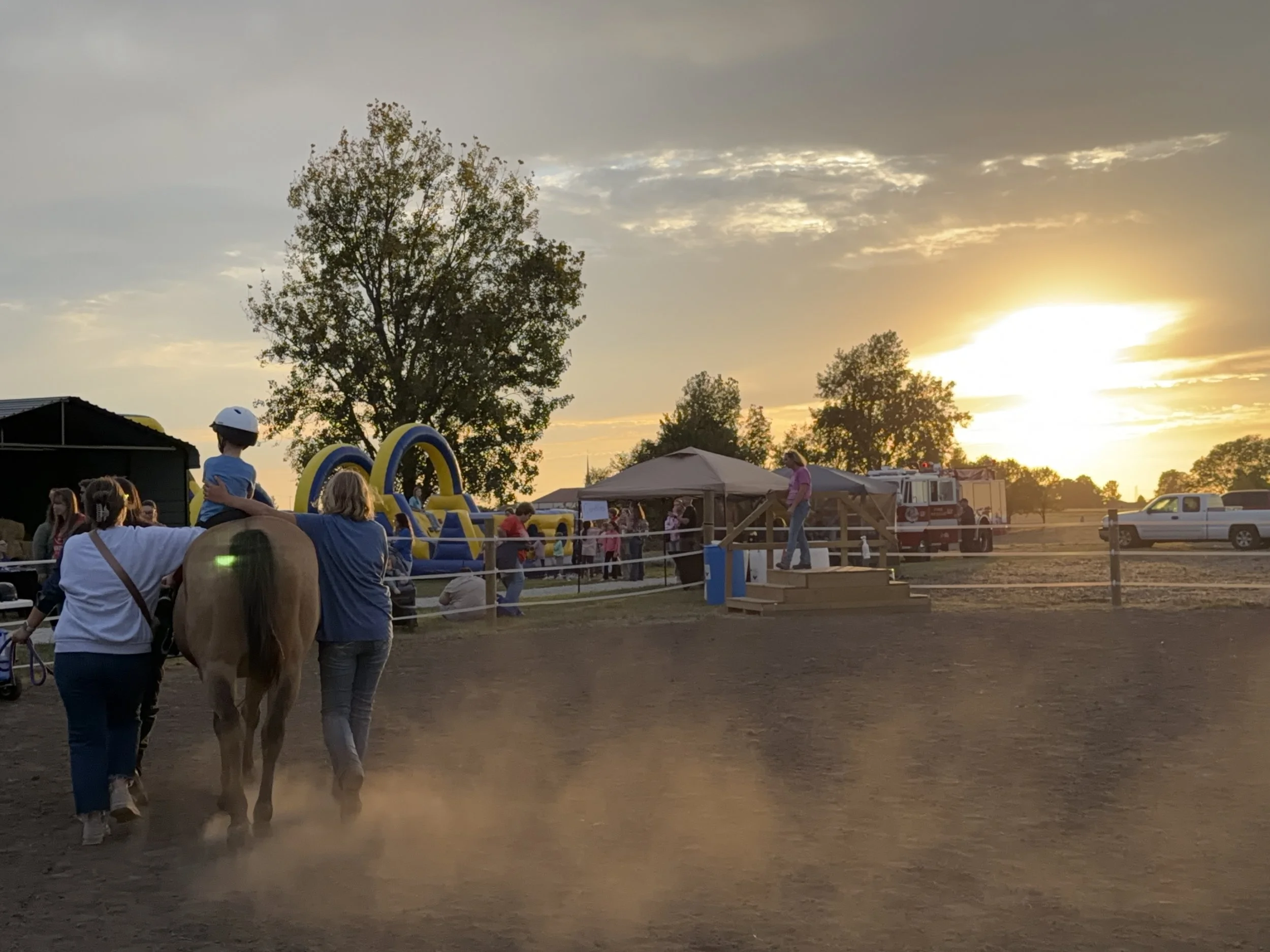
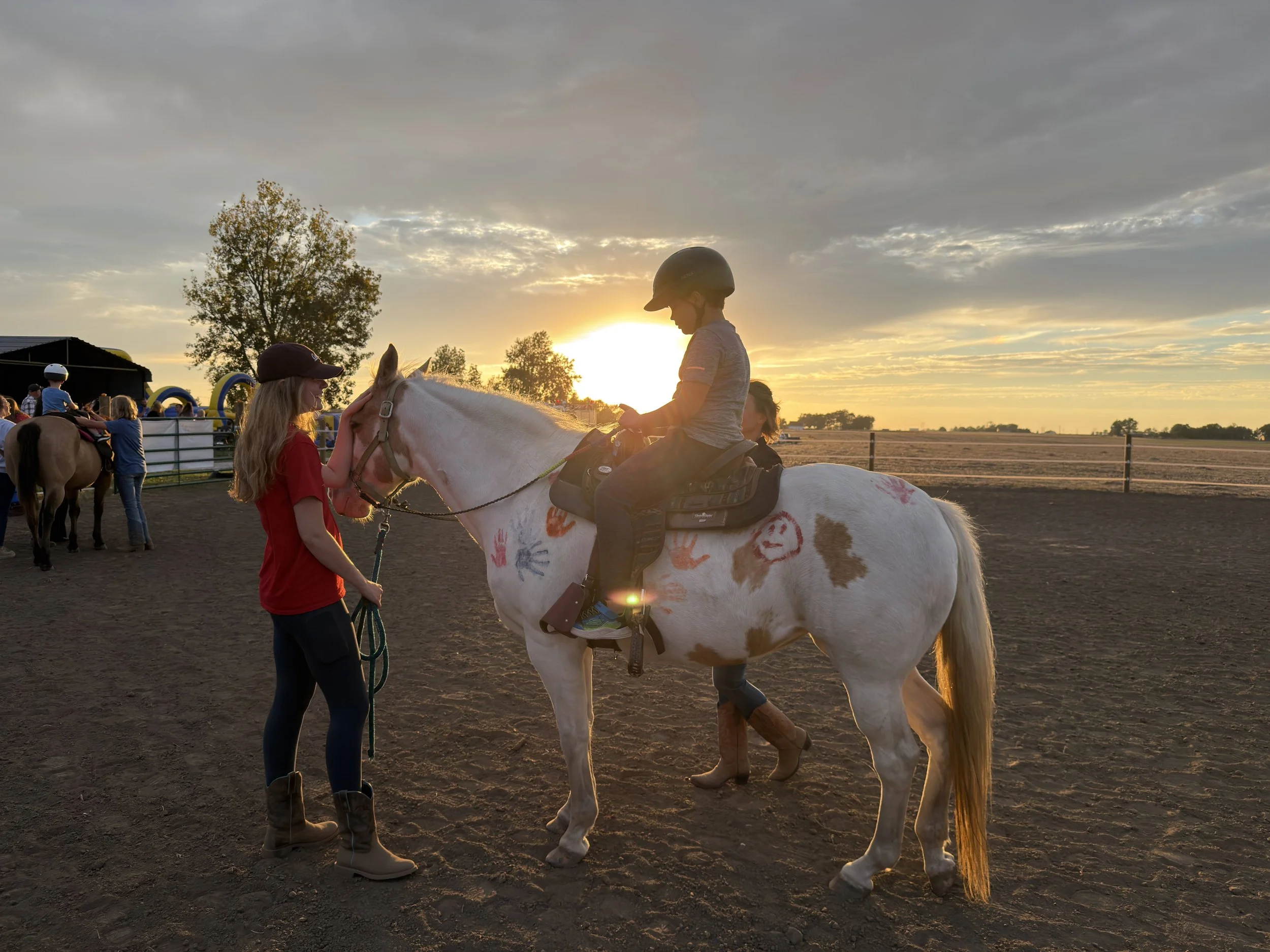
Interactions with the horses include:
Grooming
Groundwork
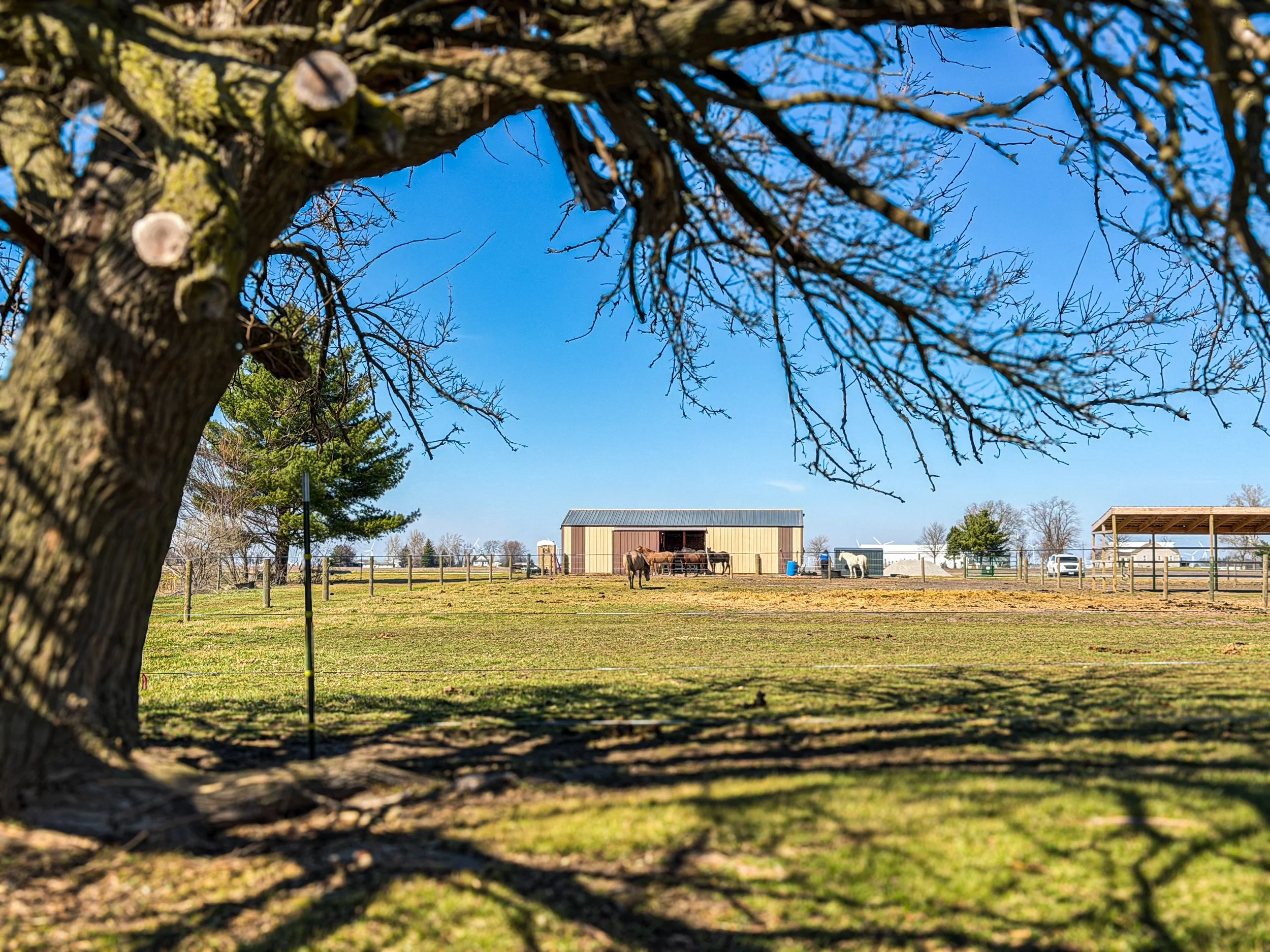
Pasture therapy
Horse Back Riding
Our goal with EAAT is to cultivate both relationships with our horses and increase skill sets for our students- whether they are physical, emotional, or mental. Working with the families, we will set goals and our instructors and volunteers will assist students to reach specific goals.
The Benefits
The Physical Benefits
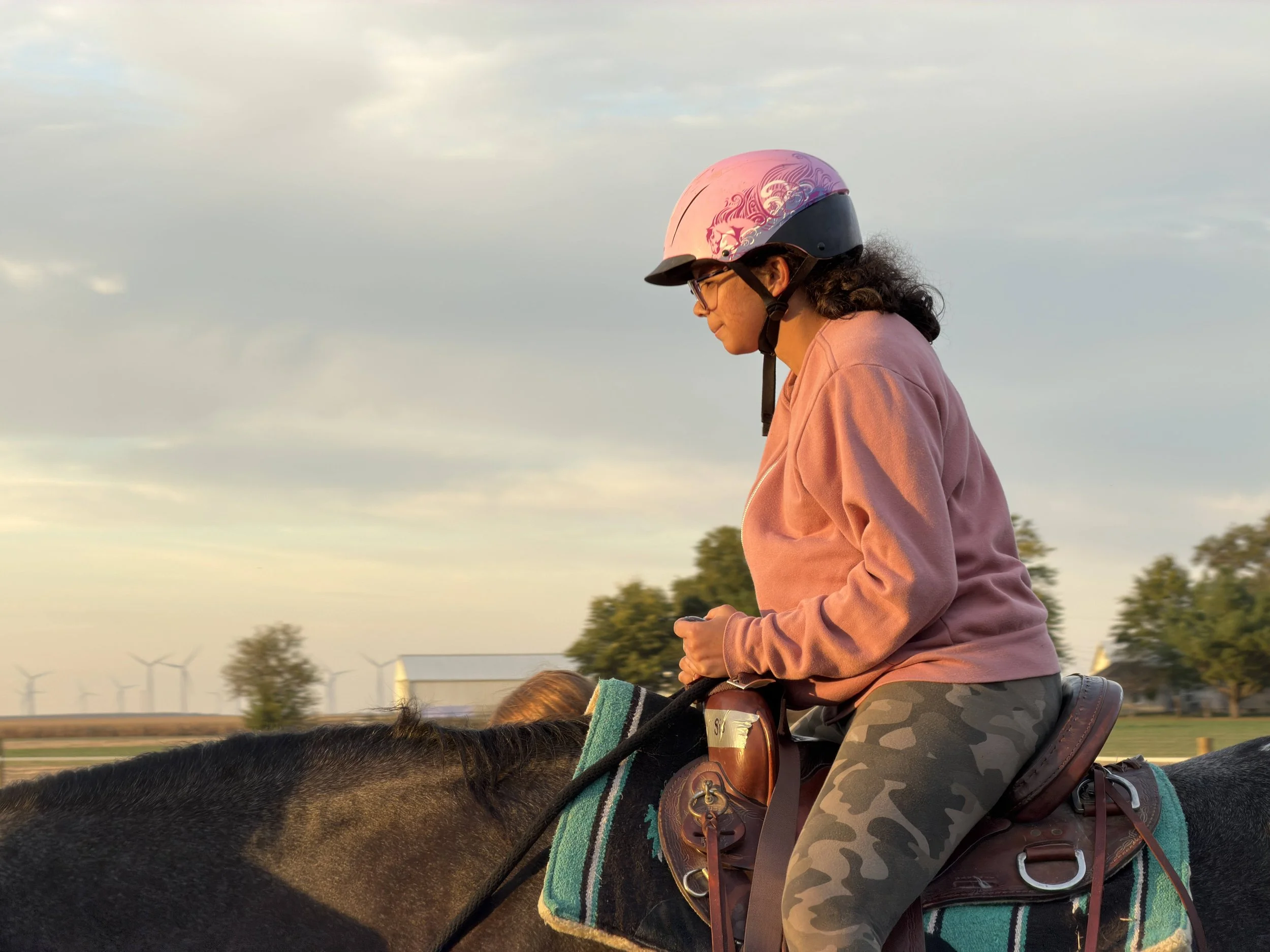
Beyond the obvious exercise, horseback riding is incredibly beneficial for students with physical disabilities. Horseback riding will increase muscle tone, balance, reflexes, strength, and flexibility.
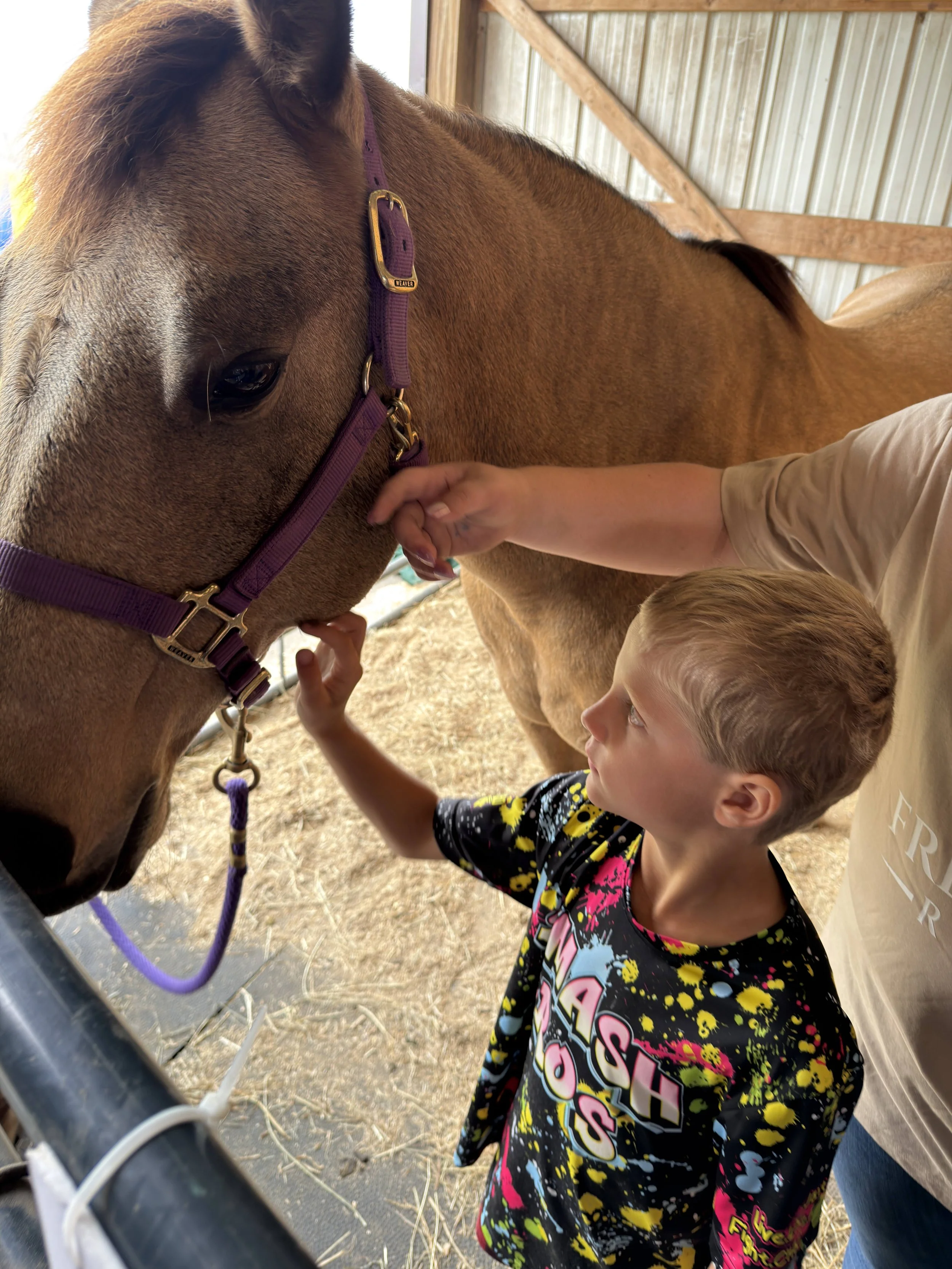
The Emotional Benefits
Just being in the presence of horses can reduce anxiety due to a reduction in cortisol. Most interestingly, horses can mirror emotions, creating an awareness in students on how they can regulate their feelings.